Women are the heart and soul of their families. They take care of everyone and everything, ensuring everything runs smoothly. But with great responsibility comes great stress, and things pile up. Generations of women have been tasked with the invisible labor that comes with the never-ending to-do list. This is an issue that comes with being the go-to person in the family.
That is the trap that marianismo has set for Latinas over the years. To be considered a “good” and “devoted” woman, you must give your all every day to everyone. But you also can’t speak up against it. You also can’t admit you’re tired because then you’re seen as ungrateful and not supportive of the family.
Latinas are tired, exhausted, overworked, and seriously underpaid. Thankfully, this generation of Latinas is ending all that. They are standing up for themselves and setting boundaries that truly protect them. Gone are the days of suffering in silence just because that’s what has always been done.

Some women take on the role of caregivers and translators at a young age
Anyelis Cordero, founder and CEO of Propel on Purpose, tells LC that growing up, she was only expected to get good grades. But, being raised by a Spanish-speaking single mother meant she had to fulfill the translator role growing up.
“Though my mom didn’t give me much household responsibilities because she wanted me to focus on being a good student, the invisible labor came in the way of serving as a translator, filling out documents, and helping her navigate systems,” she explains.
Cordero, a Cuban-born Jersey girl, adds that she was expected to care for her ailing mother when she got older. An expectation that wasn’t placed on the shoulders of her older brother.
She says, “As I’ve gotten older and my mom developed a neurological disease, because I’m the youngest daughter, with a much older brother who’s married with kids, it was assumed that I took on the caretaking. I manage my mom’s appointments, medications, caretaking, and most of her health decisions.”
Because of this, she became her family’s go-to person for navigating different systems and handling those situations. But she asserts that she no longer sees it as an “unfair” expectation.
“Honestly, I used to think of it as unfair until I realized that that’s my contribution to our family and they take care of me in other ways; we take care of each other,” Cordero asserts.
Latinas are expected to center the family in their lives and curb their ambitions
Karla Montalván experienced her own version of marianismo and invisible labor growing up as well.
“I think growing up in a Latino household, there’s always this expectation that women have to be organized, clean, attentive, and the ones who take care of the rest of the family. I grew up in a house with a lot of younger cousins, which often meant I was babysitting, cleaning up after them, and taking care of them,” she explains.
The professional writer, certified sex coach, and author noted that she had certain expectations growing up. Montalván was expected to stay close to home and not be so “career-focused.”

She explains, “Even though many of our families migrated so we can have a better life, that often comes with caveats of living the life they expected us to live.”
“As an older descendant in my family, in many cases, that meant they expected me to marry, have children, and stay close to home, which has been the opposite of what I’ve done. I’ve chosen to change the narrative in many ways, one of them being that I tell them, ‘You’ve lived your life how you wanted and made choices, it’s time for me to live mine,’” she asserts.
Proud mamá of two, Michelle Zambrana, acknowledges that setting boundaries hasn’t always been easy.
The founder of Cafecito & a Consult tells LC, “It’s not an easy thing to navigate, and some days, I really don’t have the answer to this. It takes a reminder via a chat with a friend, a therapist, or sometimes even just resetting within myself to recognize that I can’t serve everyone else and be everything to everyone if it means I am giving up what is important to me.”
“I have to remind myself that my initial reason for achieving success was inspired by my parents’ journeys to be successful here, and at times that means even telling my parents, ‘I need to do this for me so I can continue to be successful,’” she adds.

Despite generations of silent expectations, Latinas are turning the tide against invisible labor
Natasha Tous, CEO and Founder of Éclat, notes that readjusting her priorities has allowed her to “maintain stability.”
“I assume the responsibility because if I don’t do it, no one else will. That said, I am deliberate about setting boundaries and prioritizing my well-being because I know everything depends on my ability to maintain stability,” she explains.
The Venezuelan-born certified leadership coach adds, “My first priority is my children, and while I care for my parents, I balance those responsibilities by delegating when necessary. I’m vocal about what I can’t take on and offer solutions to ensure others are supported, even if it’s not always the way they’d expect.”
Other Latinas like Carla Santamaria are setting the example and teaching younger generations how their opinion and autonomy matter.
The founder and CEO of First Gen Coaching and Consulting explains how things like therapy, setting boundaries, and mental health weren’t considered the norm growing up. Santamaria notes that she’s happy her generation “actively embraces therapy, setting boundaries, and breaking unhealthy patterns.”
One thing she’s become a stickler for? Children’s bodily autonomy.
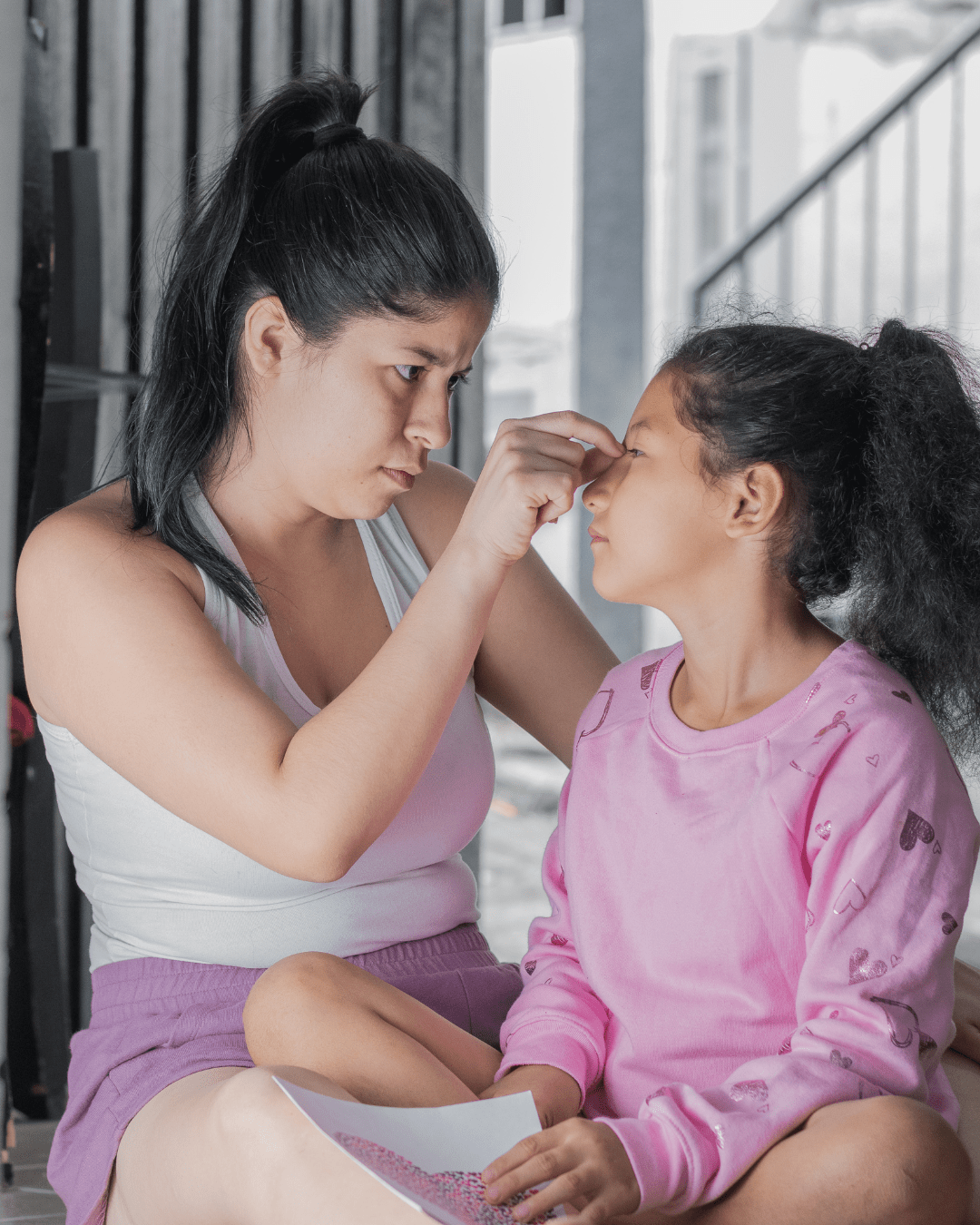
“Children’s bodily autonomy is one area where I am actively focused on setting new norms. As a kid, things like my hair being cut or my ears being pierced without my consent were normal or tradition,” she begins.
Santamaria continues, “I think that sets a dangerous precedent and teaches young girls in particular that their body is not their own. Although I’m personally child-free, I try to set a new norm by always asking the children in my family if they want to give me a hug or a high five. Most of the tías in my generation do this, but the older abuelas and tías still say, ‘Come give me a hug,’ until one of us Millennials reminds them to ask.”
Latinas grow up in a manner that mirrors much of the journey of Luisa in “Encanto”
Latinas don’t need to be the ones to do it all. They often find themselves in the same position as Luisa from “Encanto.” Who would know she needed it if Luisa never asked for help? Marianismo has convineced Latinas that invisible labor is their sole burden to carry.
While the blame is not solely on Latinas, it’s a much larger cultural conversation that the community needs to have. One thing is clear: The buck starts and stops with Latinas.
Many women have asked themselves, “Well, if I’m not there to do it, who will?” Someone else will, that’s who. This isn’t to say that women shouldn’t help when the situation calls for it. But, do they need to be the only one who does?