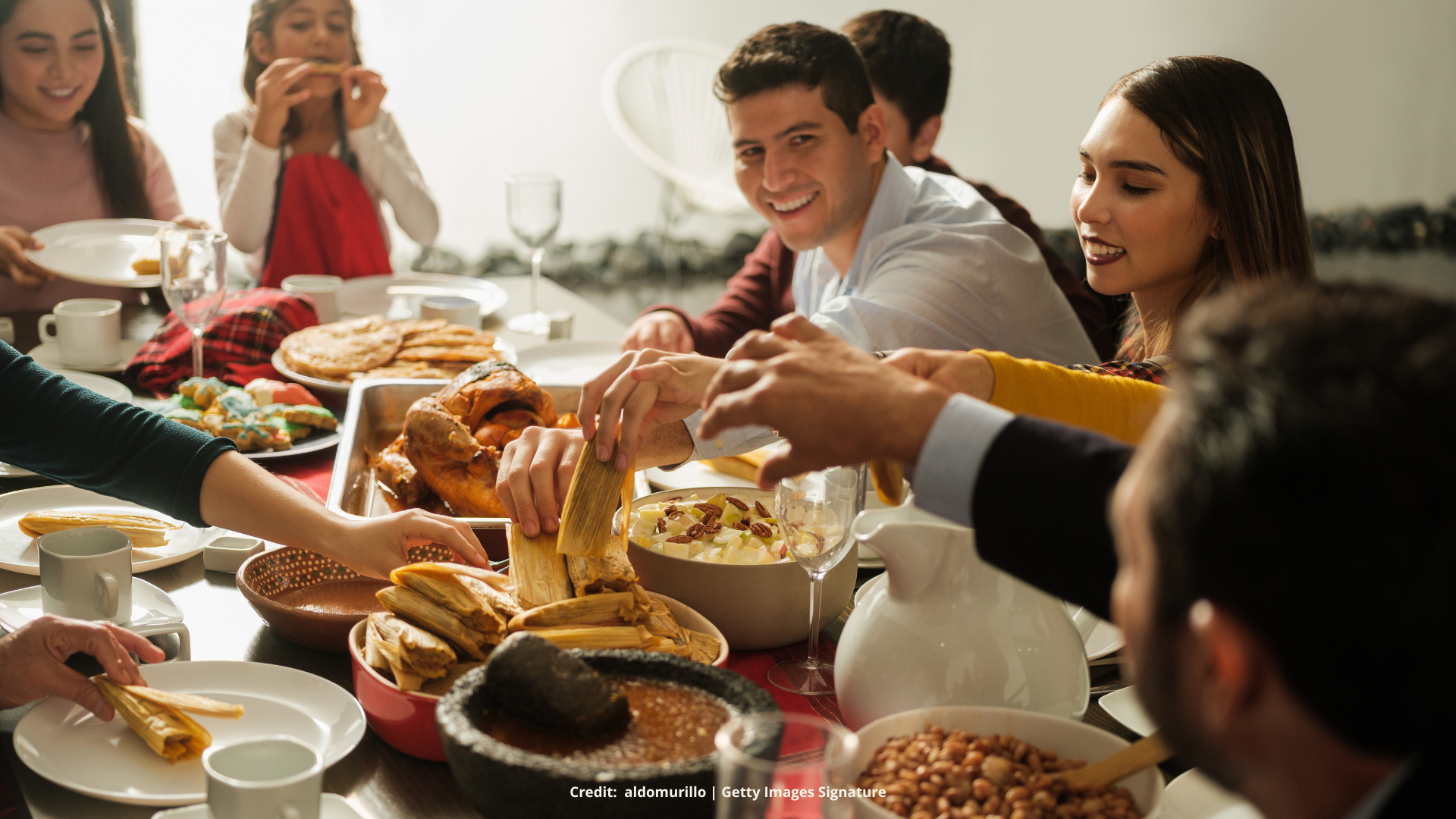
Food is a universal language. When we celebrate, it’s there. In need of comfort? We go searching for it. Arriving at a loved one’s home? It’s ready and waiting (or in the fridge). To me, there is no bigger way to show that you love someone than by preparing a meal. For many, it is sometimes the safest, most familiar way to show it.
Generations of people across the world have grown up in homes or cultures where vocalizing love and affection felt dangerous or foreign. Because why should I have to say something that I am showing you?
But when someone takes time out of their day to pack someone their lunch for tomorrow or reheat food and set it aside in case someone gets hungry, there is a level of consideration that is hard to miss. To be considered is to be loved, and to be fed is to want someone to continue thriving.
I eat good food because I love myself and how I feel afterward.
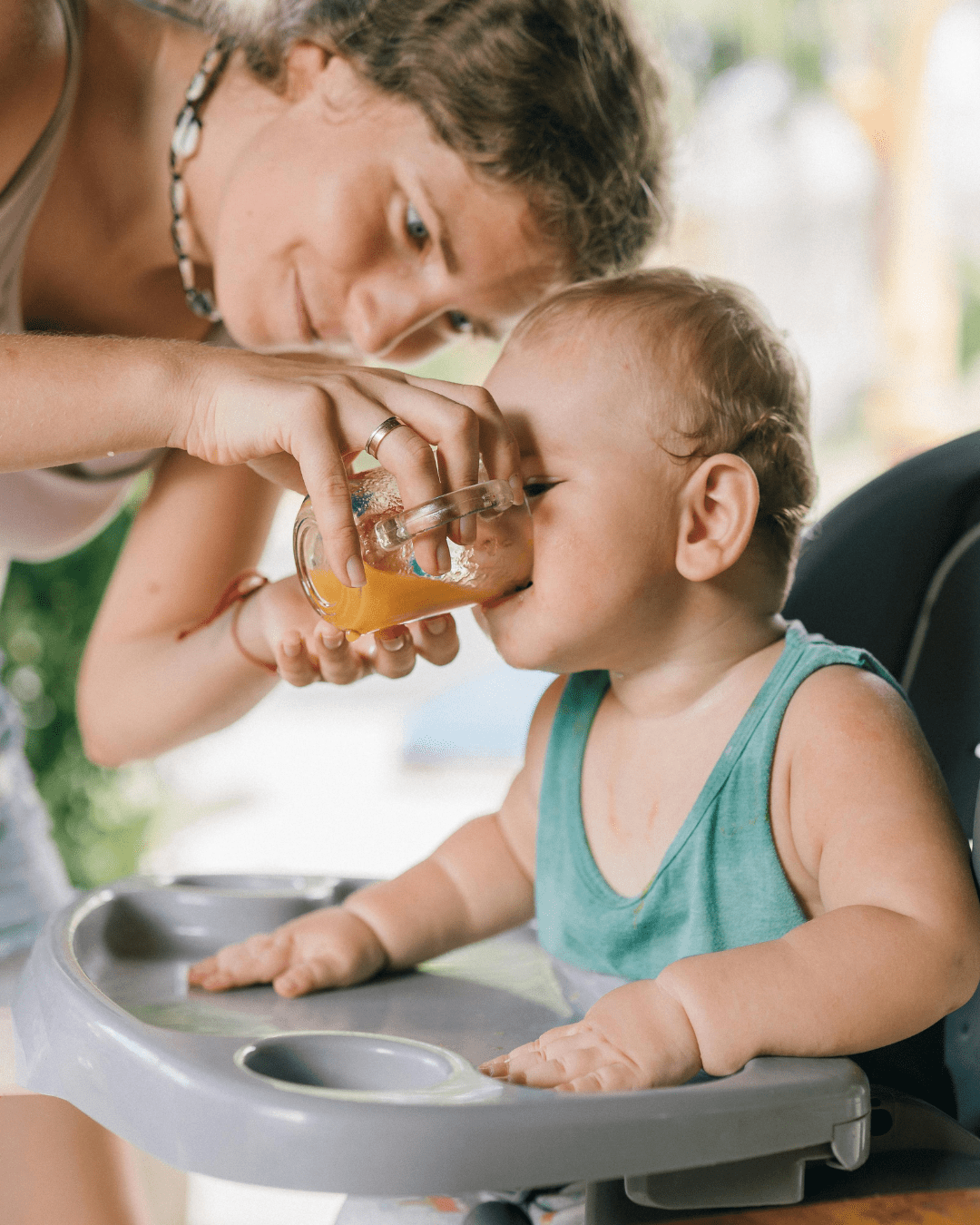
Feeding yourself is a mirror of your self-love
At the start of 2025, I set out to make better choices for my health. One of those choices was to start seeing a nutritionist to help me reframe how I approached food. Did I eat badly? No, but I knew that there was ample room for improvement. I knew that as I got older, learning the right way to feed myself would be beneficial to me in the long run.
As someone who walks alongside chronic depression, I knew that I wasn’t getting the nutrients I needed to help me get healthier. I felt undeserving of happiness, so choosing to properly nourish myself felt like a radical act of self-love because it meant I would no longer go for what was convenient, but what was good. If I was going to work on learning how to love myself, I needed to show myself through food that I did.
It also gave me the chance to truly learn what I like and don’t like. When I was younger, you couldn’t get me to eat a vegetable. Now? I love raw Brussels sprouts salads. Learning to properly feed myself showed me that even in tough times, I trusted myself to take care of myself.
I remembered you liked eating this, so I got you some.
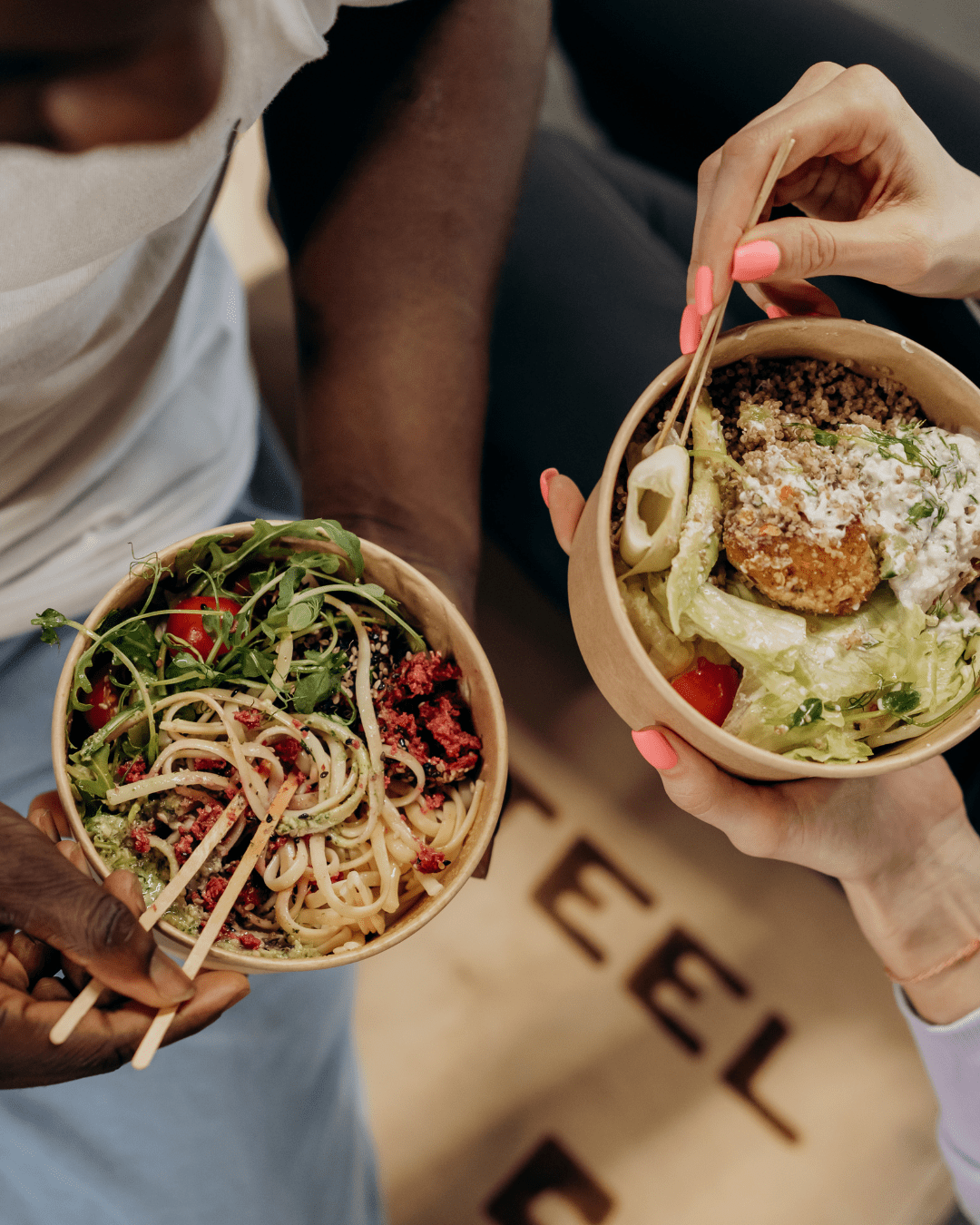
Feeding someone is a form of tangible love
Most of us have had someone, at one time or another, see something we like and get it for us. I have a cousin who loves Ferrero Rocher, and in the moments when I’ve been able to, I’ve bought it for her. My abuela knew I loved arroz con leche, and she would always make me some whenever she visited from the Dominican Republic.
There is a special type of “seen” that occurs when someone remembers something you thoroughly enjoy eating. In most families, feeding is a service of love that goes without saying. This is a language that is taught to us as children. We love you, so we will feed you because this is our way of nourishing you and ensuring your survival. Sometimes, that love doesn’t come from our families; it will come from a friend and even a stranger.
Anticipating someone’s hunger and remembering what they like is a silent form of caretaking. Regardless of whether you love cooking or not, it can be a true labor. It’s taking time out of your day to create something from a random grouping of raw materials. There is a mental and physical labor that goes into it. The chopping, the stewing, the waiting for all the flavors to meld. When someone feeds you, there is a quiet labor that is often unacknowledged.
I made extra because I knew you were coming over.
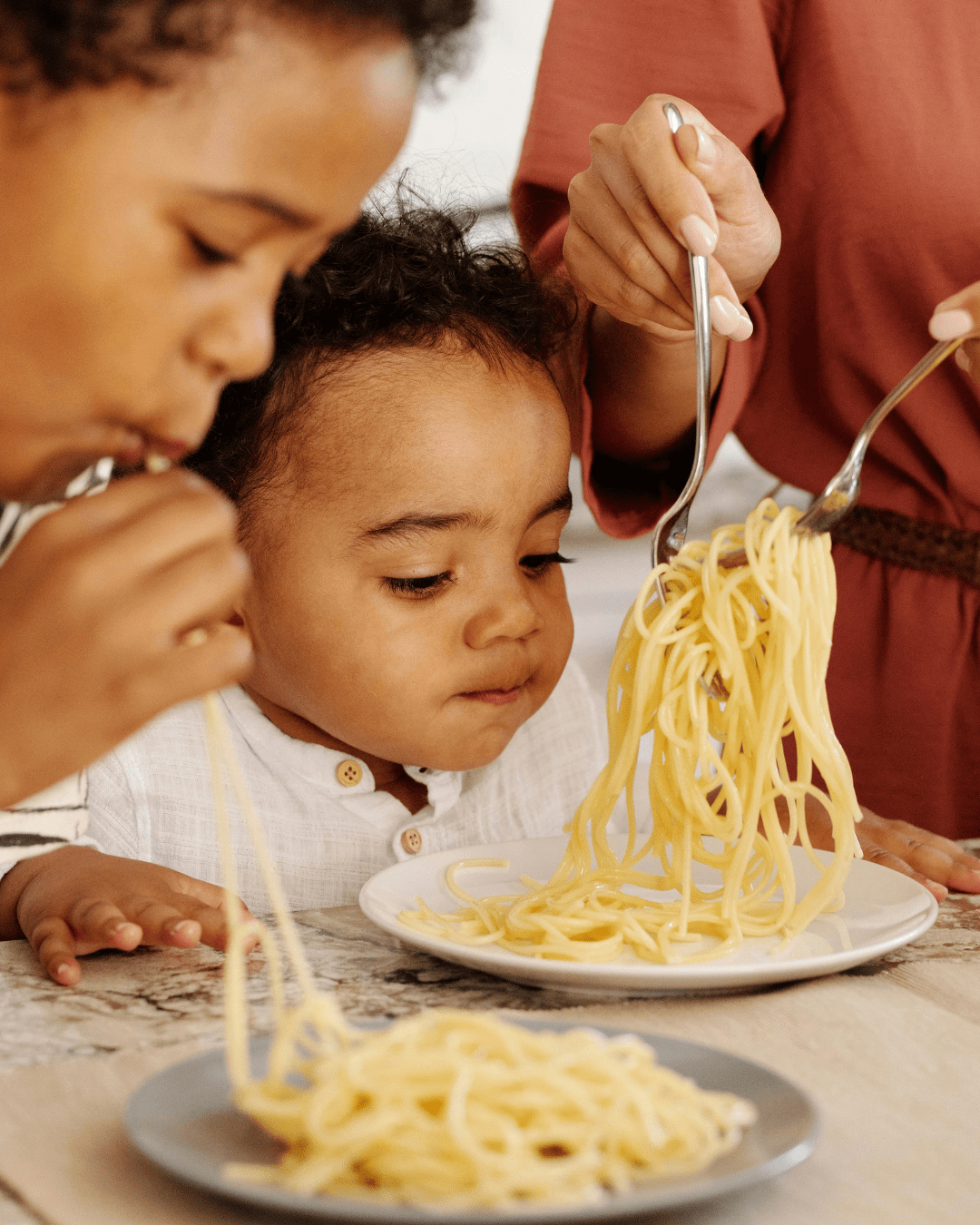
Despite the love, food as the only language can fall short of what we truly need
If sharing how we feel when we are hurt, grieving, or feeling lost were easy, more people would do it. There have been moments when food has been used as an apology or to show that someone is present and doesn’t want you to feel alone. While this is an incredibly compassionate act, it should not take the place of tackling a difficult situation or conversation.
Food as love has its limitations. We need to hear that we are loved, seen, and that our feelings are valid. I don’t know about you, but my food will always taste better when it comes with a verbal apology that is owed. Just because you are full doesn’t mean that you are suddenly without the hurt or pain. That is still there. True care needs to be tangible and intangible.
Love with food and an overdue “I love you” will always land differently because it closes the circle of need in a way that not much else can. Yes, to be considered is to be loved, but hearing that you are loved and considered will never fall flat. Food paired with an apology will always taste even better.
Why don’t you take some for later?

Being fed isn’t about abundance; it’s about how people show us they see us
So many of us learned care this way; I know that I did. Food often takes the place of words when words become too difficult to use. A lot of us were fed long before we understood the concept of love or the words “I love you.”
Accepting food means you are accepting a special type of care and allowing it to count; to be enough. That’s when receiving it becomes its own language. Long after the food is gone, the care still remains.